
Visitors Are Coming: Managing Guests During Holiday Programs
November and December bring some of the most anticipated days of the school year. Veterans Day assemblies, Thanksgiving feasts, holiday concerts, and classroom parties give families a chance to see their children shine, and schools work hard to make these events special. They also bring more visitors into the building than almost any other time of year.
On a typical school day, the front office has a good sense of who belongs in the building. During a holiday program, however, hundreds of parents, grandparents, and community members may arrive within a matter of minutes. Doors get propped open for convenience, lines back up at the check-in desk, and it becomes very difficult to know who is supposed to be there. Administrators certainly want families to feel welcome, but that welcome should be built on a plan.
School safety guidance has been consistent on this point for years. Recommendations drawn from the Sandy Hook Advisory Commission and the Partner Alliance for Safer Schools (PASS) call for directing every visitor to a single control point for entry, along with ID checks and temporary badges. The Department of Homeland Security’s K-12 School Security Practices Checklist likewise expects visitors to wear badges, the front office to be clearly marked, and entry control systems to be in place. Many schools have come to rely on “familiar faces,” and regular visitors are often simply waved through. Familiarity is no longer an acceptable way to manage who enters a school. Badges and sign-in procedures create a record of who is in the building, and that record becomes critical should the school ever need to account for everyone.
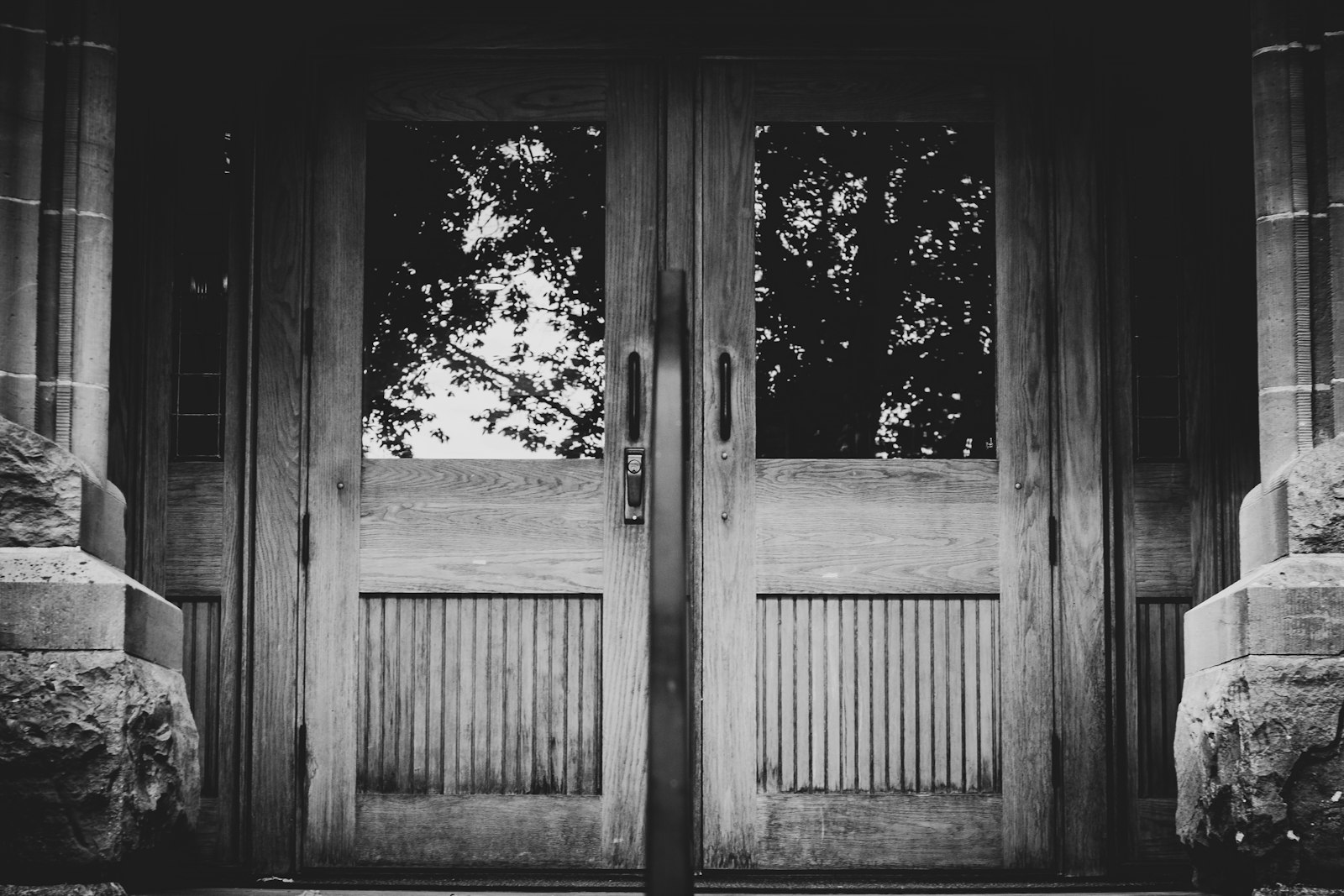
A single entrance only works when there are no exceptions, and large events are exactly when exceptions tend to occur. For that reason, planning should begin one to two weeks before the event. Administrators should designate one entrance for guests and make certain every other exterior door remains locked. Classroom wings that guests do not need to access should be closed off from the event space. Check-in should be planned with the crowd in mind, whether that means adding staff or volunteers at the entrance, opening check-in early, or using a simplified event sign-in with badges or wristbands. Families should receive a short note ahead of time explaining which door to use, when doors will open, where to park, and that all adults will be asked to check in.
Office staff should also review the custody and restricted pickup list before the event. Holiday programs are a common time for custody situations to arise, and staff need to know which students have court orders or restrictions on who may take them home. Roles should be assigned in advance, including a door monitor, a hallway monitor, a staff member with a radio in the event space, and an administrator in charge. An evacuation route and reunification spot for the event space should be chosen as well, in the event of a fire alarm or other emergency.
During the event itself, the main entrance should be staffed the entire time, not just at the start. Late arrivals are the most difficult visitors to track. A staff member should walk the building to close any propped doors and check again partway through the program. Guests should remain in the event area, and restrooms designated for guests should be near the event rather than down classroom hallways. Students should leave with their classes, not with guests, unless they have been signed out through the office. Radios should stay on, and every staff member should know whom to notify and how to call for help if something does not seem right.
Once the event has ended, the building should be walked one final time to make sure all guests have left and every door is locked. Principals would also be wise to hold a brief debrief with staff, even five minutes. Where did lines back up? Which doors were propped open? What should change next time? Keeping notes from this conversation serves both as documentation and as a starting point for planning the next event.
Holiday Program Visitor Safety Checklist
One guest entrance chosen; all other exterior doors locked
Classroom wings closed off from the event space
Extra staff or volunteers assigned to check-in
Badges, stickers, or wristbands ready for every adult guest
Families told ahead of time which door to use and that check-in is required
Custody and restricted pickup list reviewed by office staff
Door monitor, hallway monitor, and administrator in charge assigned
Radios charged and handed out
Evacuation route and reunification spot chosen for the event space
Guest restrooms near the event area
Student sign-out only through the office
Building walked for propped doors during and after the event
Five-minute debrief held afterward
Holiday programs are a real-world test of a school’s physical security and visitor procedures. EduSafeUSA’s Physical Security and Access Control Assessments examine entrances, doors, locks, and visitor management to identify gaps before the next big event. We also help schools develop clear visitor policies and train staff to follow them.
Contact us: 417.880.5895 | info@edusafeusa.com | EduSafeUSA.com
Sources: Allegion, Security Best Practices for the Main Entrance (summarizing Sandy Hook Advisory Commission and PASS recommendations); U.S. Department of Homeland Security, K-12 School Security Practices Checklist; Allegion, Top 11 Ways to Prevent Unauthorized Access to Your School Building.
This post offers general guidance. Follow your district’s visitor and custody policies and the direction of your local law enforcement and fire officials.
Comments